Published on August 28, 2024
Rising Together: How a Community United to Rebuild After Devastating Floods
When disaster struck, hundreds of families lost everything. But through collective action, compassion, and unwavering determination, a community proved that hope can emerge from even the darkest waters.

The morning of August 15th began like any other summer day in Riverside County. Families were preparing breakfast, children were playing in yards, and neighbors exchanged friendly waves across white picket fences. But by noon, everything had changed. What meteorologists had predicted as moderate rainfall transformed into a catastrophic deluge that would test the very fabric of this tight-knit community.
Within hours, the Riverside Creek—normally a gentle stream where children caught tadpoles and families picnicked—swelled to unprecedented levels. Water surged through neighborhoods with terrifying speed, rising from ankle-deep to waist-high in mere minutes. Emergency sirens wailed as residents scrambled to higher ground, clutching whatever possessions they could carry. By evening, over 450 families had been displaced, their homes submerged under murky floodwaters that carried away decades of memories, cherished belongings, and hard-earned security.
The Immediate Aftermath: A Community in Crisis
As the waters began to recede three days later, the true extent of the devastation became heartbreakingly clear. Entire blocks looked like war zones. Furniture lay scattered in yards, covered in thick mud. Family photographs floated in puddles. Children's toys hung from tree branches like strange ornaments. The smell of mold and decay already permeated the air, and homeowners stood in shock, surveying the ruins of their lives.
"I stood in what used to be my living room, water still pooling around my ankles, and I couldn't even cry. Everything was gone. But then I looked up and saw my neighbors already rolling up their sleeves, ready to help. That's when I knew we'd make it through this together."
— Maria Rodriguez, Riverside County resident
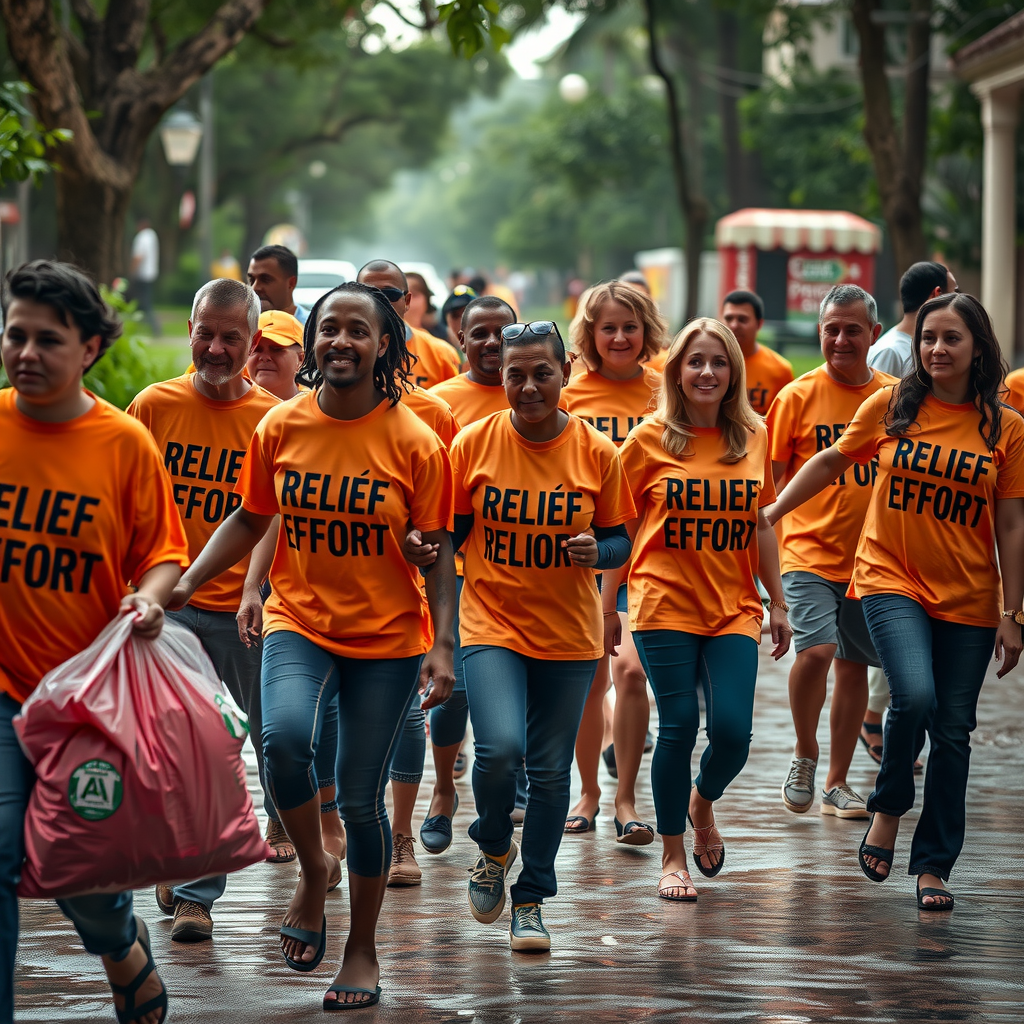
Local emergency services were overwhelmed. The Red Cross established temporary shelters in school gymnasiums, but resources were stretched thin. Families huddled on cots with only the clothes on their backs, uncertain about their futures. Many had lost not just their homes, but also their vehicles, making it impossible to get to work. Small business owners watched their livelihoods literally wash away. The psychological toll was immense—children cried for lost pets, elderly residents mourned irreplaceable family heirlooms, and everyone grappled with the trauma of losing their sense of safety and stability.
Mobilizing Hope: The Birth of a Relief Movement
But even in the darkest moments, something remarkable was happening. While official disaster response protocols were being activated, ordinary citizens were already taking action. Within 24 hours of the flood, a grassroots relief effort had spontaneously organized through social media, community centers, and word of mouth. What started as a few neighbors helping neighbors quickly evolved into a coordinated movement that would become a model for disaster response philanthropy.
Sarah Chen, a local teacher who had been fortunate enough to live on higher ground, became an unlikely leader in the relief effort. "I couldn't just sit there watching the news," she recalls. "I started making calls, sending texts, posting on social media. Within hours, I had a list of 200 people ready to help. We needed organization, we needed supplies, and most urgently, we needed funding."
The Fundraising Campaign: From Local to Global
The Riverside Flood Relief Fund was established on August 17th, just two days after the disaster. What made this fundraising effort unique was its transparency and community-driven approach. Every dollar raised was tracked publicly, every expenditure documented, and regular updates were shared through multiple channels. This level of accountability built trust and encouraged even more donations.
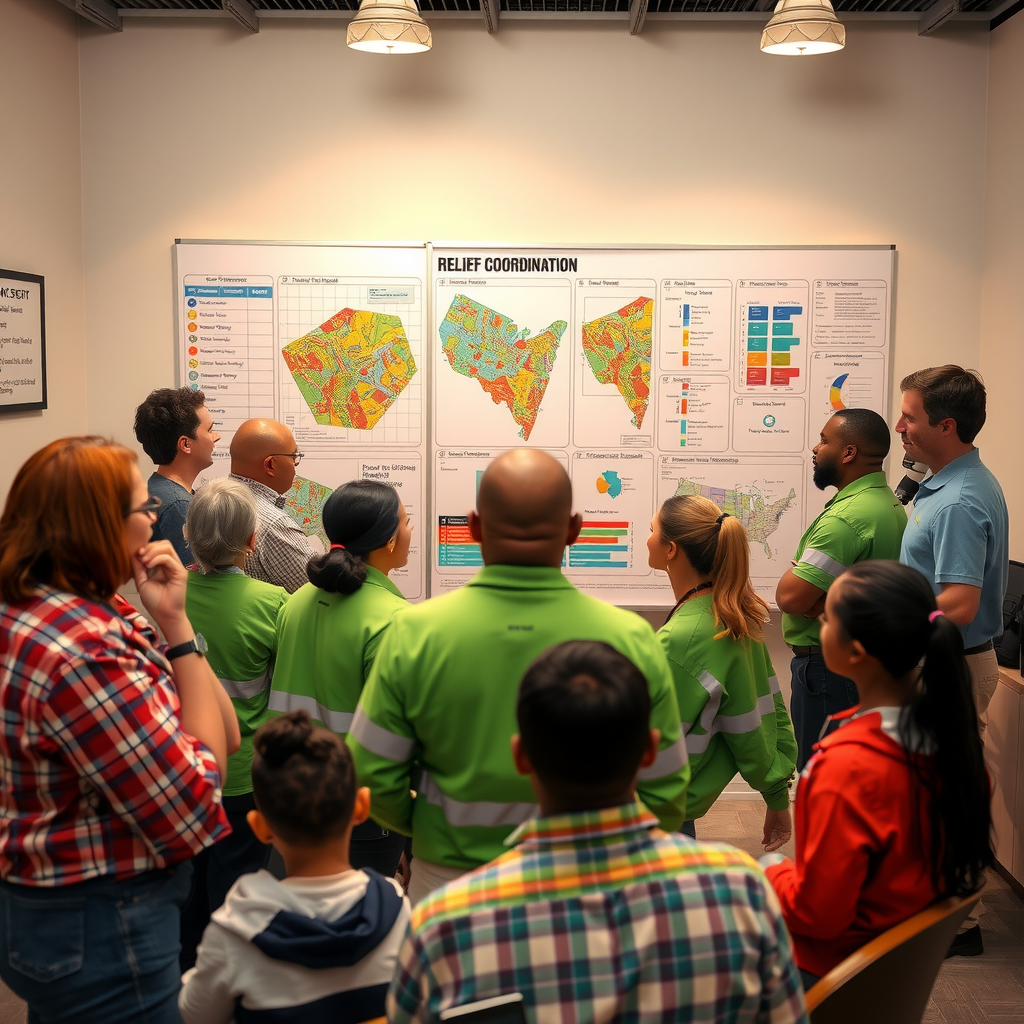
The initial goal was modest—$100,000 to provide immediate emergency assistance. But as word spread beyond Riverside County, donations began pouring in from across the state, then the nation, and eventually from around the world. A viral video showing volunteers forming human chains to pass supplies from trucks to affected homes touched hearts globally. Corporate sponsors stepped forward. Matching donation campaigns multiplied the impact. Within two weeks, the fund had exceeded $750,000.
Strategic Fund Allocation
The relief committee, composed of affected residents, local business leaders, and social service professionals, developed a comprehensive allocation strategy that prioritized both immediate needs and long-term recovery:
Emergency Relief (35% - $262,500)
Immediate cash assistance for displaced families, temporary housing vouchers, food and clothing supplies, medical care for flood-related injuries and illnesses, and emergency childcare services for working parents.
Home Rebuilding (40% - $300,000)
Materials and labor for home repairs, mold remediation services, replacement of essential appliances and furniture, and assistance with insurance deductibles and gaps in coverage.
Community Infrastructure (15% - $112,500)
Repairs to community centers, playgrounds, and shared spaces, restoration of local parks and green spaces, and improvements to drainage systems to prevent future flooding.
Long-term Support (10% - $75,000)
Mental health counseling services, financial planning assistance for affected families, educational support for children who experienced trauma, and reserve fund for ongoing recovery needs.
The Power of Volunteer Labor: 10,000 Hours of Hope
While financial donations were crucial, the true heart of the recovery effort was the army of volunteers who showed up day after day, week after week. From dawn until dusk, hundreds of people worked tirelessly—mucking out flooded basements, tearing out water-damaged drywall, salvaging what could be saved, and rebuilding what couldn't.

The volunteer coordination system was remarkably efficient. An online platform allowed people to sign up for specific shifts and tasks based on their skills. Construction professionals led rebuilding teams. Medical personnel staffed health clinics. Teachers organized activities for children. Counselors provided emotional support. Chefs prepared thousands of meals. The diversity of skills and the willingness to help created a powerful force for recovery.
Marcus Thompson, a contractor who took two weeks off work to volunteer full-time, describes the experience: "I've built houses for 25 years, but I've never felt more purpose than during those two weeks. Every nail I hammered, every wall I raised, I knew I was helping a family get their life back. And I wasn't alone—there were teenagers, retirees, office workers, everyone working side by side. It restored my faith in humanity."
Volunteer Impact by the Numbers
Stories of Resilience: Faces Behind the Statistics
Behind every statistic is a human story—a family's struggle, a moment of despair, and ultimately, a journey toward recovery. These personal narratives illustrate the profound impact of coordinated relief efforts and the resilience of the human spirit.
The Martinez Family: From Despair to New Beginnings
Elena and Carlos Martinez had lived in their modest two-bedroom home for 18 years. They raised three children there, celebrated countless birthdays, and built a lifetime of memories. When the flood hit, they lost everything—furniture, appliances, family photos, their children's baby clothes that Elena had carefully preserved.
"I thought we'd have to sell the house and move away," Elena recalls, tears welling in her eyes. "We couldn't afford to rebuild. But then the relief fund provided $15,000 for repairs, and volunteers showed up every weekend for a month. They didn't just fix our house—they gave us our home back."
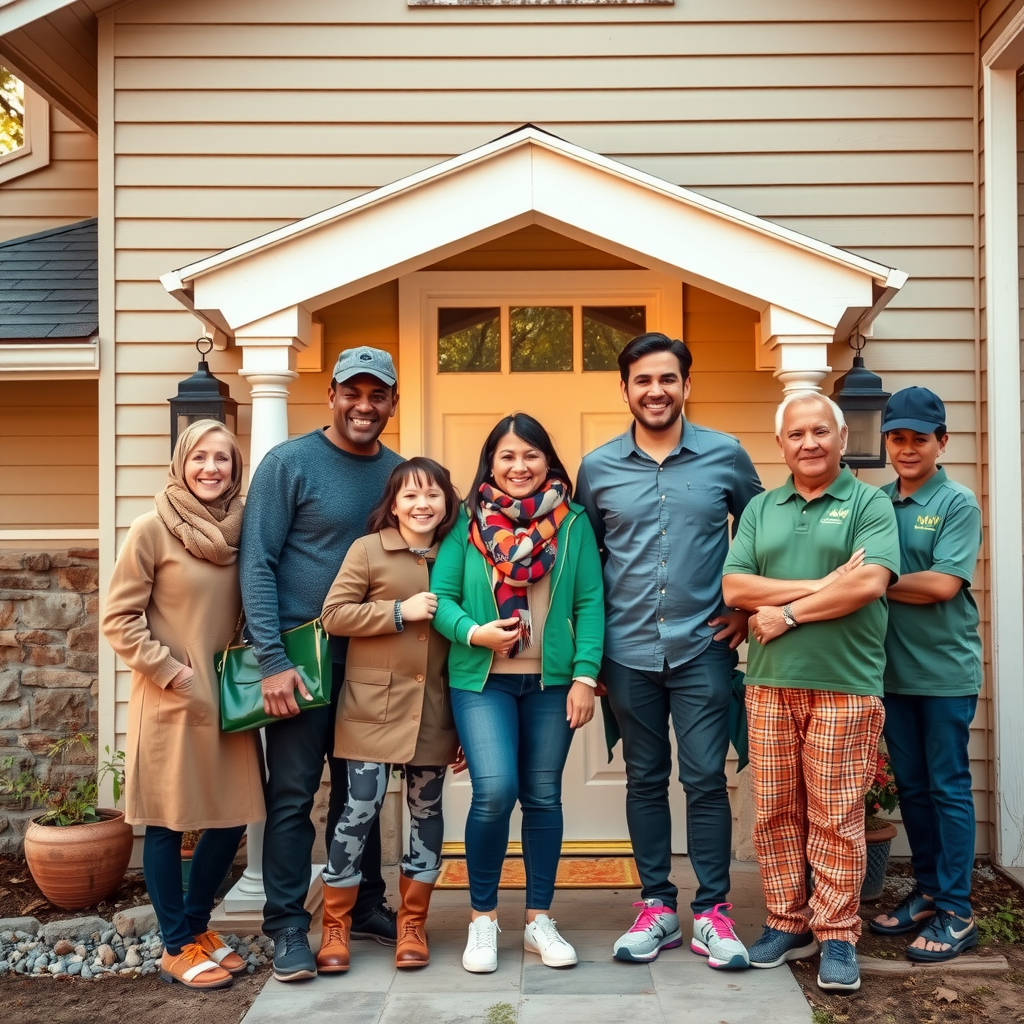
Today, the Martinez home is fully restored. The family has even made improvements, including better insulation and raised electrical outlets to prevent future flood damage. Their youngest daughter, inspired by the volunteers who helped them, has started a youth volunteer group at her high school.
Dorothy Williams: An 82-Year-Old's Second Chance
Dorothy Williams, 82, had lived alone in her home since her husband passed away five years ago. The flood left her stranded on her second floor for 12 hours before rescue workers could reach her. Her entire first floor was destroyed, and she had no family nearby to help.
"I thought my life was over," Dorothy says softly. "I'm too old to start again, I thought. But these young people—they adopted me. They called me Grandma Dorothy and worked on my house like it was their own."
The relief fund covered Dorothy's rebuilding costs, and volunteers not only restored her home but also made it more accessible with grab bars, a walk-in shower, and improved lighting. A group of college students who worked on her house still visit her weekly, helping with groceries and yard work. "They gave me more than a house," Dorothy says. "They gave me a family."
The Logistics of Disaster Response: Lessons Learned
The Riverside flood relief effort has become a case study in effective disaster response fundraising and volunteer coordination. Emergency management professionals from across the country have studied the model, identifying key factors that contributed to its success.
Critical Success Factors
Rapid Mobilization
The relief fund was established within 48 hours of the disaster, allowing immediate action while public attention and sympathy were at their peak. This rapid response captured momentum and demonstrated urgency to potential donors.
Transparent Communication
Daily updates on social media, weekly town halls, and a public dashboard showing fund allocation built trust and encouraged continued support. Donors could see exactly how their contributions were being used.
Community-Led Decision Making
Including affected residents in the relief committee ensured that decisions reflected actual needs rather than assumptions. This grassroots approach created buy-in and prevented the disconnect that often plagues top-down disaster response.
Efficient Volunteer Management
The online volunteer coordination system prevented chaos and ensured that people with the right skills were matched to appropriate tasks. This maximized the impact of volunteer hours and prevented burnout.
Long-Term Vision
Rather than focusing solely on immediate relief, the committee planned for long-term recovery from the start. This included mental health services, financial counseling, and infrastructure improvements to prevent future disasters.
The Road Ahead: Ongoing Recovery Needs
While the immediate crisis has passed and most families have returned to their homes, the recovery process is far from complete. Many residents continue to face challenges that will require sustained support and resources.
Current and Future Needs
Mental Health Support: The psychological impact of the flood continues to affect many residents, particularly children. Ongoing counseling services are essential, but funding for mental health programs remains limited. The relief fund has allocated resources for six months of free counseling, but longer-term support will be needed.
Financial Recovery: Many families depleted their savings during the crisis and are now struggling with debt. Financial counseling services are helping residents develop recovery plans, but some families will need years to fully recover economically. Small business owners, in particular, face an uphill battle to rebuild their customer base and inventory.
Infrastructure Improvements: While individual homes have been repaired, the community's drainage system and flood prevention infrastructure need significant upgrades. The relief committee is working with local government to secure additional funding for these critical improvements, which will protect the community from future disasters.
Continued Volunteer Support: While the initial wave of volunteers has subsided, ongoing maintenance and support work continues. The volunteer coordinator estimates that another 2,000 hours of volunteer time will be needed over the next six months to complete remaining projects and provide ongoing assistance to elderly and disabled residents.
How You Can Help
The Riverside community has shown incredible resilience, but they still need support. Here's how you can make a difference:
Financial Contributions
Every donation, no matter the size, helps families continue their recovery journey. Funds support ongoing rebuilding, mental health services, and infrastructure improvements.
Volunteer Your Time
Whether you have construction skills or simply a willing heart, volunteers are still needed for ongoing projects, community events, and support services.
Spread Awareness
Share this story with your network. The more people who know about the ongoing recovery needs, the more support the community can receive.
Corporate Partnerships
Businesses can support through matching donation programs, volunteer days, or in-kind donations of materials and services.
A Testament to Human Compassion
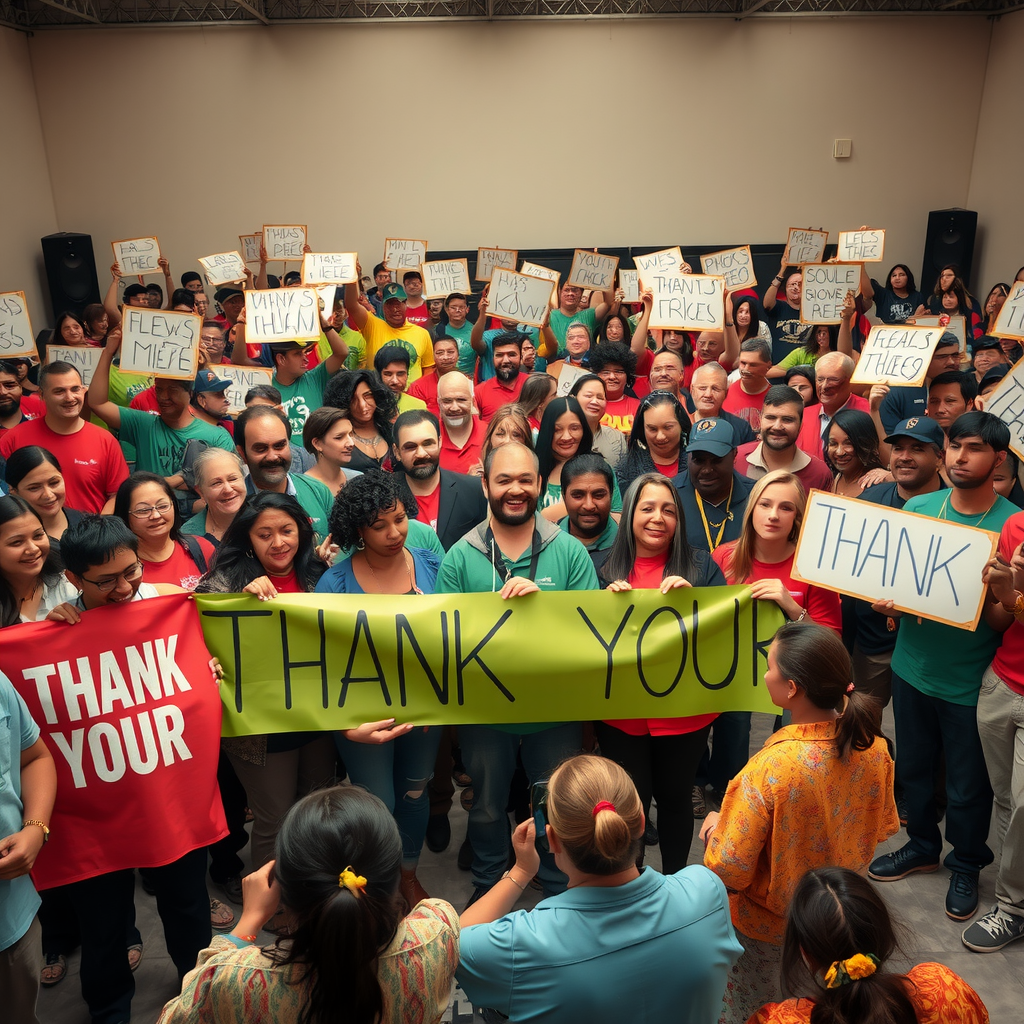
The Riverside flood relief effort stands as a powerful reminder of what communities can accomplish when they come together in times of crisis. The $750,000 raised and 10,000+ volunteer hours contributed represent more than just numbers—they represent hope, compassion, and the unbreakable bonds of community.
As Sarah Chen, the teacher who helped organize the initial relief effort, reflects: "This disaster could have torn our community apart. Instead, it brought us closer together. We discovered strengths we didn't know we had and formed friendships that will last a lifetime. Yes, we lost homes and possessions, but we gained something invaluable—proof that humanity's capacity for kindness is limitless."
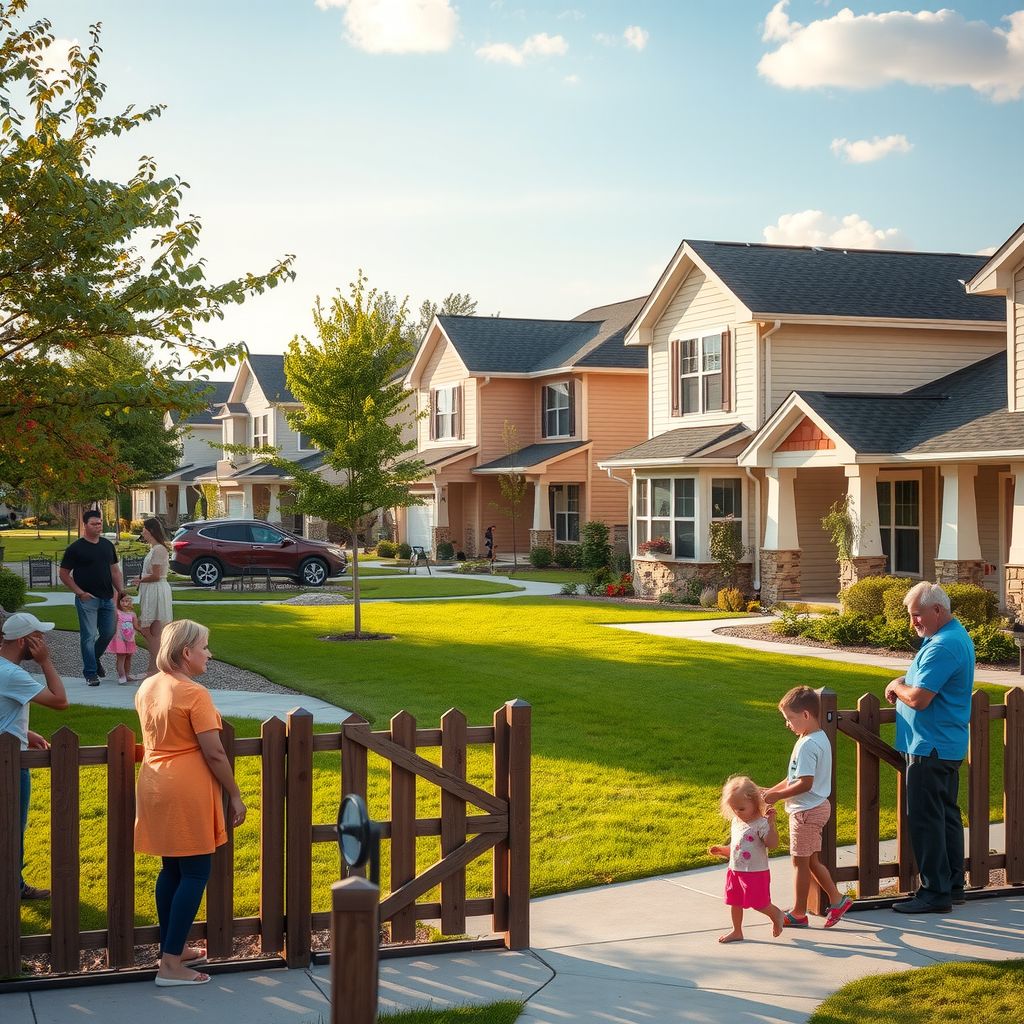
The story of Riverside's recovery is still being written. While significant progress has been made, the journey continues. But if the past weeks have proven anything, it's that this community has the resilience, determination, and heart to overcome any challenge. The flood may have taken their homes, but it couldn't wash away their spirit.
For those inspired by this story of collective action and compassion, the message is clear: disaster relief isn't just about money or labor—it's about showing up, caring for your neighbors, and believing that together, we can rebuild not just structures, but lives and hope itself.
"In the end, we will remember not the words of our enemies, but the silence of our friends. The people of Riverside didn't stay silent—they showed up, they gave, they rebuilt. That's the true measure of a community."
— Rev. James Patterson, Community Leader
The Riverside flood of August 2024 will be remembered not for the destruction it caused, but for the extraordinary response it inspired. It's a story that deserves to be shared, studied, and replicated—a blueprint for how communities can not just survive disasters, but emerge stronger, more connected, and more compassionate than before.
As the sun sets over Riverside County today, children play in yards that were underwater just weeks ago. Families gather on porches that volunteers rebuilt with their own hands. And in every restored home, there's a story of generosity, resilience, and the unshakeable belief that when we stand together, no flood—literal or metaphorical—can wash away our hope for a better tomorrow.