Transparency Drives Donor Trust: New Study Reveals Impact of Financial Reporting on Nonprofit Success
A comprehensive study by the National Philanthropy Institute demonstrates that organizations providing detailed impact reports and financial transparency see significantly higher donor retention and contribution rates.

Key Finding: Nonprofits that publish quarterly impact reports and maintain transparent financial dashboards experience 47% higher donor retention rates and 62% larger average contributions compared to organizations with limited transparency.
The Research Behind the Numbers
The National Philanthropy Institute's groundbreaking study, conducted over 18 months, analyzed data from 2,847 nonprofit organizations across the United States. Researchers examined donor behavior patterns, contribution trends, and retention metrics in relation to organizational transparency practices.
Dr. Sarah Mitchell, lead researcher and Director of Philanthropic Studies at the Institute, explains the methodology: "We wanted to understand the tangible impact of transparency on donor relationships. Our team collected quantitative data on donation patterns while conducting qualitative interviews with over 5,000 donors to understand their decision-making processes."
The research categorized organizations into three transparency tiers based on their reporting practices: high transparency (quarterly impact reports, real-time financial dashboards, detailed program outcomes), moderate transparency (annual reports with some financial data), and low transparency (minimal public reporting beyond legally required documents).
Dramatic Differences in Donor Behavior
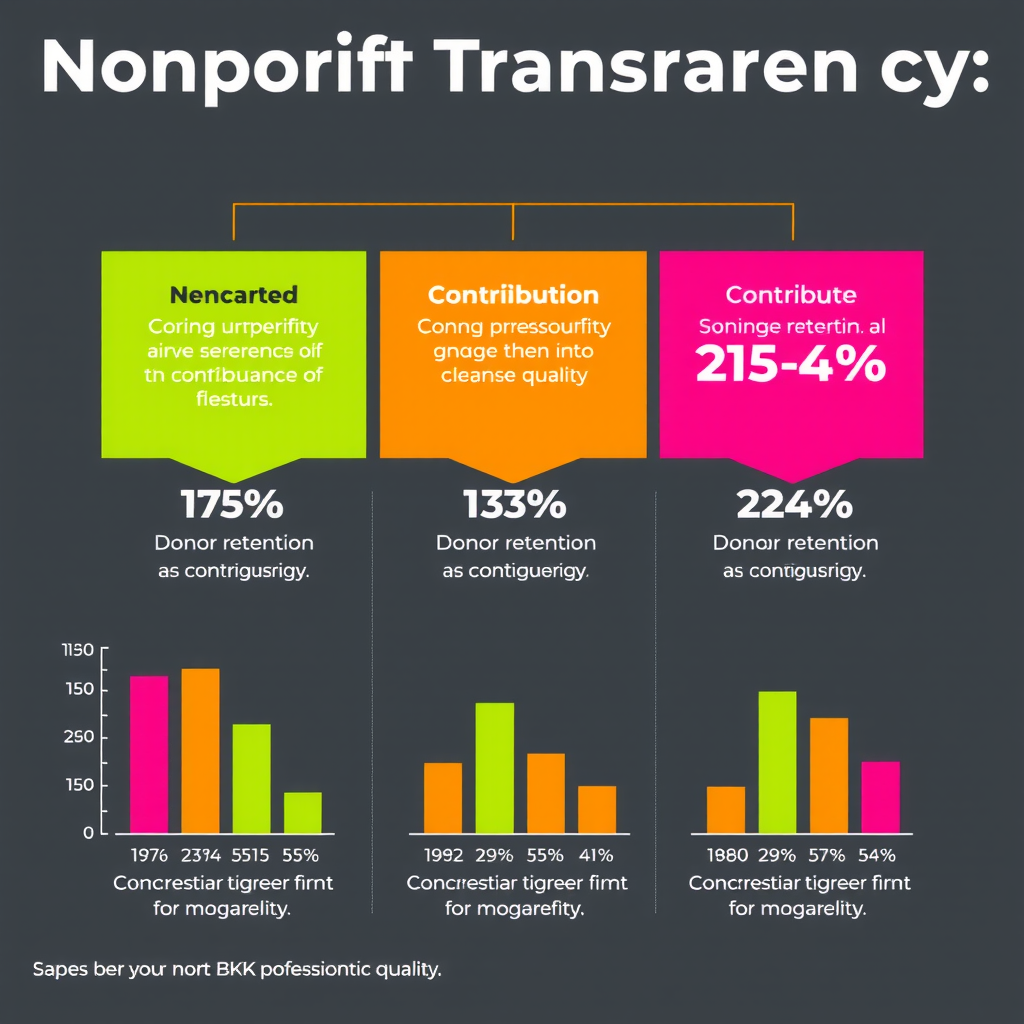
The study revealed striking differences in donor engagement across transparency levels. Organizations in the high transparency category maintained an average donor retention rate of 68%, compared to 46% for moderate transparency organizations and just 21% for those with minimal reporting practices.
Perhaps even more significant were the findings related to contribution amounts. Donors to highly transparent organizations gave an average of $847 annually, compared to $523 for moderate transparency groups and $312 for organizations with limited reporting. The research also found that transparent organizations were three times more likely to receive multi-year pledges and planned giving commitments.
Key Statistics from the Study
- 47% higher retention rate for organizations with quarterly impact reporting
- 62% larger average contributions when financial dashboards are publicly accessible
- 3x more likely to receive multi-year pledges and planned giving commitments
- 83% of donors reported that detailed impact reports influenced their decision to increase giving
- 91% of millennials consider transparency a critical factor in donation decisions
Expert Analysis: Why Transparency Matters
Dr. James Chen, Professor of Nonprofit Management at Columbia University and independent reviewer of the study, provides context for these findings: "What we're seeing is a fundamental shift in donor expectations. Today's philanthropists, particularly younger donors, approach charitable giving with the same analytical rigor they apply to other financial decisions. They want data, they want accountability, and they want to see measurable impact."
Chen emphasizes that transparency goes beyond simply publishing financial statements. "The most successful organizations tell compelling stories backed by data. They show donors exactly how contributions translate into real-world outcomes. It's not just about where the money goes—it's about demonstrating the change that money creates."

Maria Rodriguez, Executive Director of the Transparency in Philanthropy Coalition, notes that the study's findings align with broader trends in the sector. "We've been advocating for increased transparency for years, but this research provides concrete evidence of its value. Organizations that embrace transparency aren't just doing the right thing ethically—they're making a smart business decision that directly impacts their sustainability and growth."
Case Studies: Transparency in Action
The study highlighted several organizations that exemplify best practices in transparency and have reaped significant benefits as a result.
Clean Water Initiative
This international development organization implemented a comprehensive transparency program in 2021, including real-time project tracking, quarterly impact reports with specific metrics, and an interactive financial dashboard showing exactly how donations are allocated. Within two years, the organization saw donor retention increase from 52% to 79%, and average contribution amounts grew by 68%.
Executive Director Patricia Williams explains their approach: "We decided to be radically transparent. Every donor receives quarterly updates showing the specific wells built, communities served, and lives impacted with their contributions. We publish our complete financials online, including staff salaries and administrative costs. Initially, we worried about exposing our overhead rates, but donors appreciated the honesty. They understand that effective programs require investment in infrastructure and talent."
"Transparency isn't just about numbers—it's about building relationships based on trust and mutual respect. When donors see the real impact of their contributions, they become partners in our mission rather than just sources of funding."
— Patricia Williams, Executive Director, Clean Water Initiative
Youth Education Foundation
This education-focused nonprofit transformed its reporting practices by creating detailed program outcome reports that track student progress over time. They publish annual impact assessments that include both successes and challenges, along with detailed financial breakdowns showing cost-per-student metrics.
The organization's transparency initiative led to a 54% increase in major gifts and attracted several significant foundation grants. Program Director Michael Thompson notes: "Being transparent about our challenges was initially uncomfortable, but it actually strengthened donor relationships. When we shared that a particular program wasn't meeting targets and explained our corrective actions, donors appreciated the honesty and several offered additional support to help us improve."

Community Health Network
This healthcare nonprofit developed an innovative transparency model that includes monthly email updates with specific impact metrics, an online portal where donors can track program progress in real-time, and annual town hall meetings where leadership answers questions directly from supporters.
The results have been remarkable: donor retention increased from 43% to 71%, and the organization successfully launched its first capital campaign, exceeding the $5 million goal by 40%. CEO Dr. Linda Martinez attributes this success directly to transparency: "Our donors feel like insiders. They know our challenges, celebrate our victories, and understand the complexity of our work. That level of engagement translates directly into sustained support."
Practical Recommendations for Nonprofits
Based on the study's findings and analysis of successful transparency initiatives, researchers have developed a comprehensive set of recommendations for nonprofit organizations looking to enhance their transparency practices.
Start with Clear Communication
Dr. Mitchell emphasizes that transparency begins with clear, accessible communication. "Organizations should avoid jargon and present information in ways that non-experts can understand. Use visual aids like charts and infographics to make data more digestible. The goal is to inform, not overwhelm."
Key recommendations include creating executive summaries for longer reports, using storytelling to contextualize data, and providing multiple formats (written reports, videos, infographics) to accommodate different learning preferences.
Implement Regular Reporting Cycles
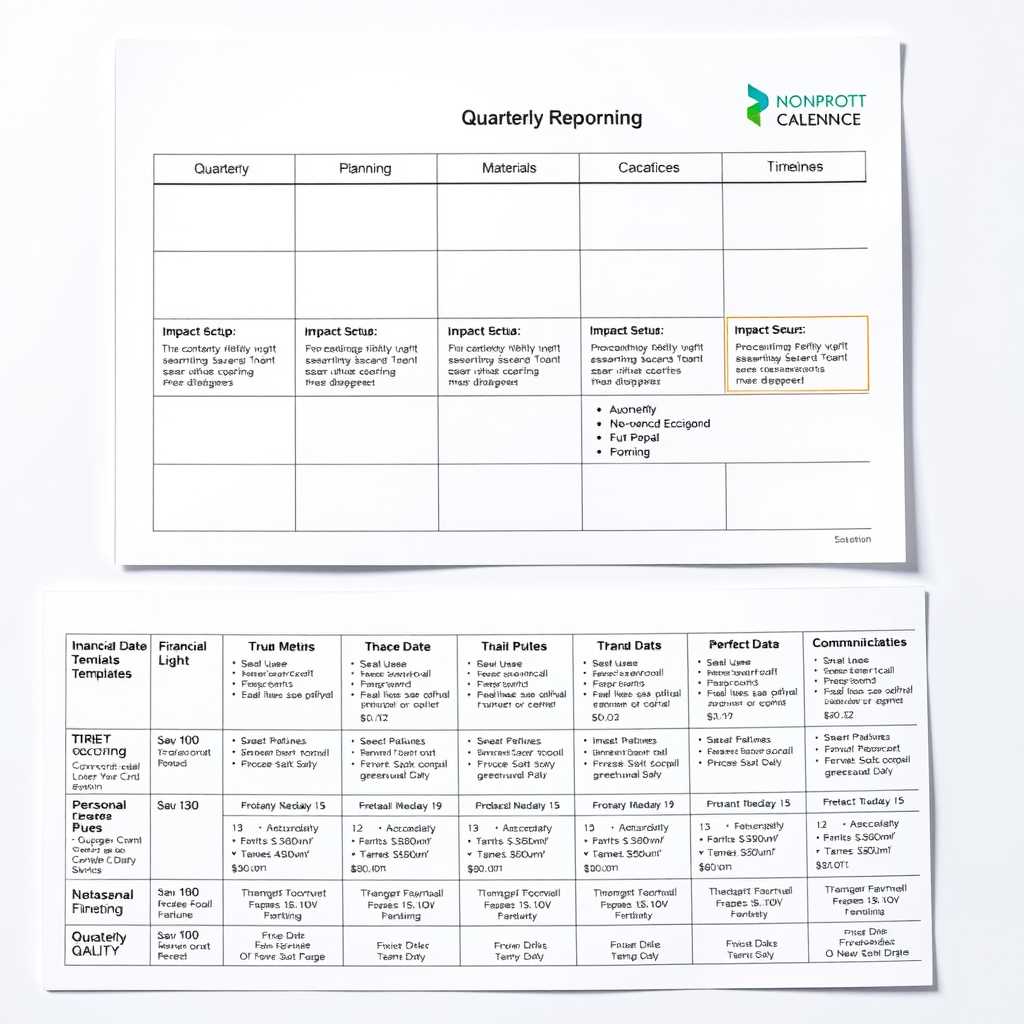
The study found that quarterly reporting significantly outperformed annual reporting in terms of donor engagement. Organizations should establish consistent reporting schedules and stick to them, building donor expectations and trust through reliability.
Rodriguez suggests starting small: "If quarterly reports seem overwhelming, begin with semi-annual updates and build from there. The key is consistency and gradual improvement. Donors value progress over perfection."
Embrace Financial Transparency
Many organizations hesitate to share detailed financial information, particularly regarding overhead costs and executive compensation. However, the study found that donors respond positively to complete financial disclosure when it's accompanied by clear explanations.
Chen advises: "Don't hide overhead costs—explain them. Help donors understand that effective programs require investment in technology, training, and talent. Organizations that transparently discuss their cost structure and demonstrate efficiency build more trust than those that try to minimize or obscure these necessary expenses."
Measure and Report Impact
The study emphasized that financial transparency alone isn't sufficient—donors want to see program outcomes and impact metrics. Organizations should develop clear, measurable indicators for their programs and report on these consistently.
Recommended metrics include number of beneficiaries served, specific outcomes achieved, cost per beneficiary, and long-term impact indicators. Organizations should also be transparent about challenges and setbacks, explaining what they've learned and how they're adapting.
Essential Elements of Effective Impact Reporting
- Specific, quantifiable outcomes tied to organizational mission
- Personal stories that illustrate program impact on individuals
- Clear connection between donor contributions and results achieved
- Honest discussion of challenges and lessons learned
- Visual presentation of data through charts and infographics
- Forward-looking goals and strategies for continued improvement
Leverage Technology
Modern technology makes transparency easier and more cost-effective than ever. The study found that organizations using online dashboards and donor portals saw particularly strong engagement from younger donors.
Williams from Clean Water Initiative shares: "We invested in a donor portal that allows supporters to see real-time updates on projects they've funded. It's been transformative. Donors log in regularly to check progress, share updates with friends, and feel genuinely connected to our work. The technology investment paid for itself within six months through increased contributions."
Create Opportunities for Direct Engagement
Beyond written reports, the study found that organizations offering direct engagement opportunities—such as site visits, virtual tours, town halls, and Q&A sessions—built particularly strong donor relationships.
Martinez from Community Health Network explains: "We host quarterly virtual town halls where donors can ask leadership anything. Initially, we worried about difficult questions, but the sessions have been incredibly positive. Donors appreciate the access, and the direct dialogue builds trust in ways that written reports alone cannot achieve."

Overcoming Barriers to Transparency
While the benefits of transparency are clear, many organizations face significant barriers to implementation. The study identified common challenges and strategies for overcoming them.
Resource Constraints
Many smaller organizations worry that comprehensive reporting requires resources they don't have. However, researchers found that transparency initiatives don't need to be expensive or time-consuming.
Dr. Mitchell suggests: "Start with what you have. A simple quarterly email update with key metrics and a story or two can be highly effective. Use free tools like Google Data Studio for dashboards, or leverage existing platforms like GuideStar to share information. As donor engagement increases, you can invest more in sophisticated reporting."
Fear of Criticism
Some organizations hesitate to be transparent about challenges or overhead costs, fearing donor backlash. The study found these fears are largely unfounded when transparency is accompanied by clear communication.
Chen notes: "Donors are sophisticated. They understand that programs face challenges and that overhead is necessary. What they don't tolerate is opacity or evasiveness. Organizations that honestly discuss both successes and struggles, while demonstrating learning and adaptation, actually build stronger donor relationships."
Data Collection Challenges
Organizations sometimes struggle to collect meaningful impact data, particularly for programs with long-term or intangible outcomes. Researchers recommend starting with simple, measurable indicators and building more sophisticated measurement systems over time.
Rodriguez advises: "Focus on what you can measure now while working toward more comprehensive evaluation. Even basic metrics like number of people served, services provided, or participant satisfaction can demonstrate impact. Be transparent about your measurement limitations and your plans to improve data collection."
The Future of Nonprofit Transparency
Looking ahead, researchers predict that transparency will become increasingly central to nonprofit success. Younger donors, who will represent the majority of philanthropic giving within the next decade, have even higher expectations for transparency than current donors.
The study found that 91% of millennial donors consider transparency a critical factor in their giving decisions, compared to 67% of baby boomers. This generational shift suggests that organizations that don't embrace transparency may struggle to attract and retain donors in the coming years.
Dr. Mitchell concludes: "Transparency is no longer optional—it's essential for organizational sustainability. The nonprofits that will thrive in the future are those that embrace openness, demonstrate accountability, and build genuine partnerships with their donors based on trust and shared commitment to impact."
Key Takeaways for Nonprofit Leaders
- 1 Transparency directly impacts donor retention and contribution levels—organizations with high transparency see 47% better retention and 62% larger gifts
- 2 Start with regular reporting cycles—quarterly updates significantly outperform annual reports in building donor engagement
- 3 Embrace complete financial disclosure—donors respond positively when overhead costs are explained clearly and honestly
- 4 Combine data with storytelling—quantitative metrics paired with personal impact stories create the most compelling reports
- 5 Leverage technology for real-time reporting—online dashboards and donor portals particularly resonate with younger donors
- 6 View transparency as an investment, not a cost—the return in donor loyalty and increased giving far exceeds implementation expenses
Conclusion: Building Trust Through Openness
The National Philanthropy Institute's comprehensive study provides compelling evidence that transparency is not just an ethical imperative but a strategic advantage for nonprofit organizations. In an era of increasing donor sophistication and heightened expectations for accountability, organizations that embrace openness and demonstrate clear impact will be best positioned for long-term success.
The path to greater transparency doesn't require massive resources or complex systems—it begins with a commitment to honest communication and a willingness to share both successes and challenges with supporters. Organizations that take this step will find that donors respond not with criticism but with increased trust, engagement, and generosity.
As the nonprofit sector continues to evolve, transparency will increasingly separate thriving organizations from struggling ones. The question is no longer whether to embrace transparency, but how quickly organizations can implement practices that build trust and demonstrate the real-world impact of donor support.
For nonprofit leaders, the message is clear: transparency is an investment in your organization's future, and the returns—measured in donor loyalty, increased contributions, and sustainable growth—make it one of the most valuable investments you can make.
About the Study: The National Philanthropy Institute's research was conducted from January 2024 to June 2024, analyzing data from 2,847 nonprofit organizations and surveying 5,000 donors across the United States. The full study report is available at www.nationalphilanthropyinstitute.org.
Tags: Nonprofit Management Donor Relations Transparency Philanthropy Impact Reporting