Viral Fundraising Campaign Exceeds Goal by 250% to Protect Endangered Wetlands
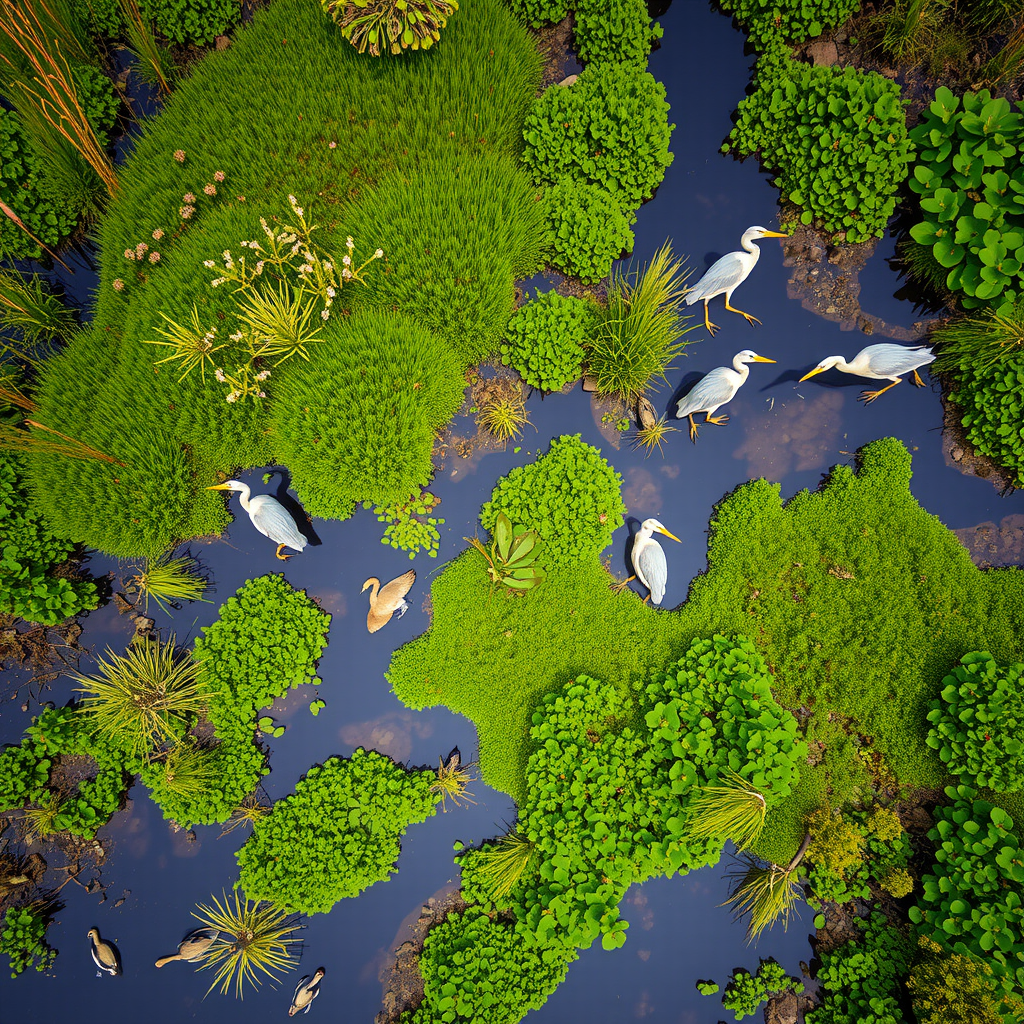
In an unprecedented display of community solidarity and digital activism, a grassroots fundraising campaign to protect endangered wetlands and wildlife habitats has shattered its initial goal, raising 250% more than anticipated in just three weeks. The campaign, which launched on August 25, 2024, aimed to secure $200,000 to purchase and preserve 150 acres of critical wetland habitat. By September 14, the campaign had raised an astounding $500,000, with donations continuing to pour in from supporters across the globe.
The success story represents a watershed moment for environmental philanthropy, demonstrating how strategic social media engagement, authentic storytelling, and coalition-building can mobilize unprecedented support for conservation causes. What began as a modest local initiative transformed into a viral movement that captured the attention of environmental activists, celebrities, and everyday citizens concerned about habitat loss and species extinction.
The Power of Social Media Strategy
The campaign's viral success can be largely attributed to a sophisticated yet authentic social media strategy that prioritized emotional connection over traditional fundraising appeals. Campaign organizers created a multi-platform approach that leveraged the unique strengths of each social network while maintaining a consistent message about the urgency of wetland conservation.
"We didn't just ask people to donate money. We invited them to become part of a story—a story about saving a place that matters, protecting creatures that depend on us, and leaving a legacy for future generations. That emotional connection made all the difference."
— Sarah Chen
Campaign Director, Wetlands Forever Initiative
The campaign's social media team produced daily content featuring stunning photography and videography of the wetlands, showcasing the diverse wildlife that calls the habitat home. Short-form videos of nesting herons, playful river otters, and rare migratory birds became instant hits, with several videos garnering over 2 million views each. The hashtag #SaveOurWetlands trended nationally for three consecutive days, amplifying the campaign's reach exponentially.
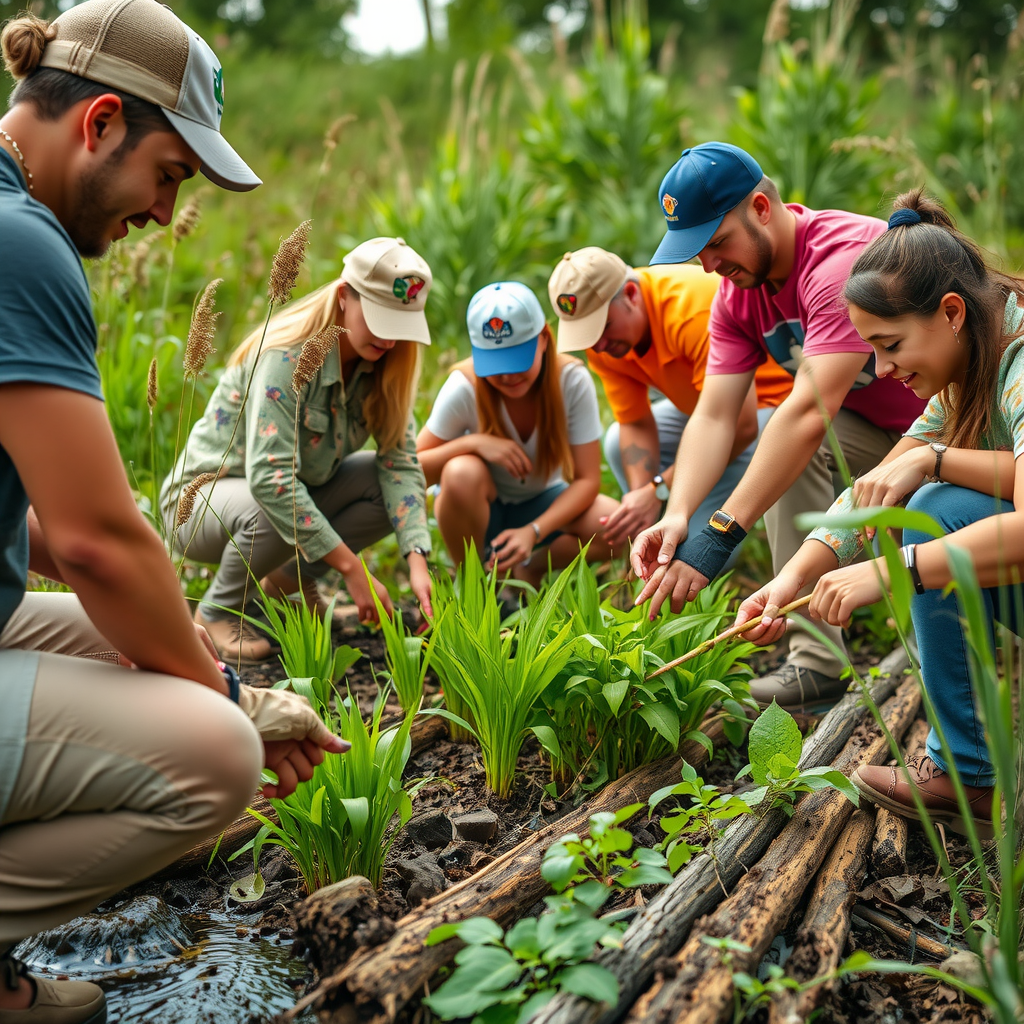
Instagram Stories featuring "day in the life" content from wildlife biologists and conservation workers humanized the cause, while Twitter threads provided detailed information about the ecological importance of wetlands. TikTok videos explaining wetland ecosystems in accessible, entertaining ways reached younger demographics who might not typically engage with environmental causes. Facebook groups organized local meetups and volunteer opportunities, transforming online engagement into real-world action.
Community Organizing and Grassroots Mobilization
While digital strategy provided the spark, traditional community organizing efforts fueled the sustained momentum that carried the campaign to its extraordinary success. Local environmental groups, schools, faith communities, and civic organizations formed an unprecedented coalition united by a shared commitment to wetland preservation.
The campaign organized over 40 community events during its three-week duration, including guided wetland tours, educational workshops, family-friendly nature walks, and fundraising dinners. These events served multiple purposes: raising funds, educating the public about wetland ecology, building community connections, and creating shareable content for social media platforms.
Local schools integrated the campaign into their curriculum, with students creating art projects, writing essays, and conducting research about wetland ecosystems. Youth-led fundraising initiatives, including bake sales, car washes, and sponsored walks, contributed over $45,000 to the total. These young activists became some of the campaign's most passionate advocates, sharing their enthusiasm with family members and amplifying the message across generational lines.
Coalition-Building Across Sectors
One of the campaign's most innovative aspects was its success in building coalitions across traditionally separate sectors. Environmental organizations partnered with business groups, recognizing that wetland preservation supports local economies through tourism, recreation, and ecosystem services. Healthcare providers highlighted the connection between healthy natural spaces and community wellbeing. Indigenous leaders shared traditional ecological knowledge and emphasized the cultural significance of wetland preservation.
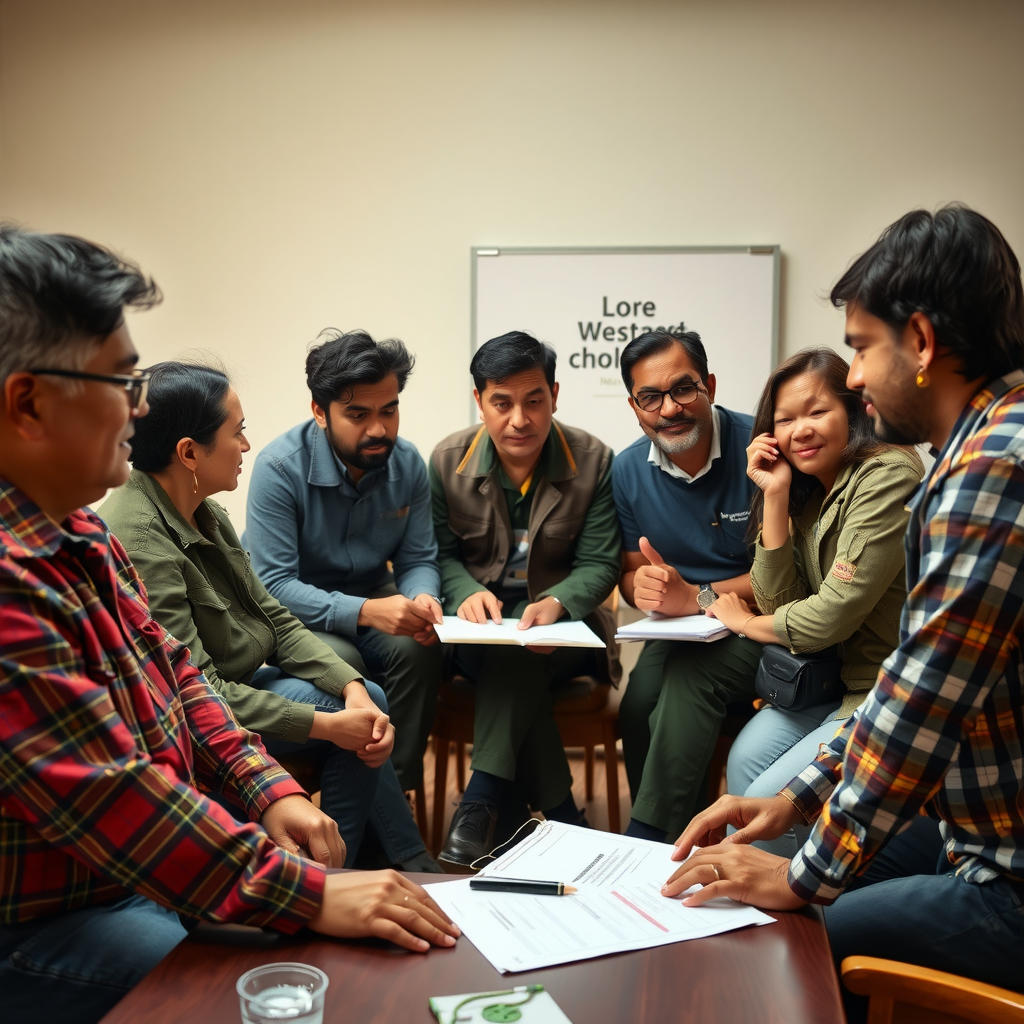
This broad coalition approach proved crucial in reaching diverse donor demographics. While environmental activists formed the campaign's core base, the coalition strategy brought in supporters who might not typically prioritize conservation causes but were motivated by economic development, public health, cultural preservation, or recreational opportunities.
"I'm a small business owner, not an environmentalist. But when I learned how wetlands filter our drinking water, prevent flooding, and attract tourists who support local businesses, I realized this wasn't just an environmental issue—it's an economic imperative. I donated and convinced my business association to get involved."
— Marcus Rodriguez
Local Business Owner and Campaign Donor
Voices from the Movement: What Motivated Donors
To understand the campaign's unprecedented success, organizers surveyed donors about their motivations for contributing. The responses revealed a complex tapestry of personal connections, values, and concerns that transcended simple environmental advocacy.
Many donors cited personal experiences with the wetlands—childhood memories of fishing with grandparents, first dates along wetland trails, or simply the peace found in observing nature. These emotional connections transformed abstract conservation goals into deeply personal missions.
"My daughter is seven years old. Last spring, we watched a family of ducks grow up in these wetlands. She named every duckling. When I saw this campaign, I thought about what kind of world I want her to inherit. I donated because I want her children to have the same magical experiences she's had."
— Jennifer Park
Parent and Monthly Donor
Climate change concerns motivated another significant donor segment. Many contributors viewed wetland preservation as a tangible climate action they could support, recognizing wetlands' crucial role in carbon sequestration and climate resilience. The campaign's messaging effectively connected local conservation to global climate challenges, helping donors see their contributions as part of a larger solution.

Younger donors, particularly those in their twenties and thirties, expressed frustration with feeling powerless in the face of environmental challenges. The campaign offered them a concrete way to make a difference, with clear outcomes and measurable impact. The transparency about how funds would be used—purchasing specific parcels of land, establishing conservation easements, funding habitat restoration—gave donors confidence their contributions would create lasting change.
"I'm tired of feeling helpless about climate change and habitat loss. This campaign showed me exactly what my money would accomplish—150 acres protected forever. That specificity mattered. I knew I wasn't just throwing money at a vague problem; I was literally saving a place."
— Alex Thompson
First-Time Environmental Donor, Age 28
The Role of Storytelling and Transparency
Campaign organizers credit much of their success to authentic storytelling and radical transparency. Rather than relying on guilt or fear-based messaging common in environmental fundraising, the campaign emphasized hope, possibility, and collective power. Daily updates showed exactly how much had been raised, how many donors had contributed, and what milestones had been reached.
The campaign featured stories from diverse stakeholders—wildlife biologists explaining their research, indigenous elders sharing traditional knowledge, local residents describing their connection to the land, and young activists articulating their vision for the future. This polyphonic approach ensured that potential donors could find entry points that resonated with their own values and experiences.
Live-streamed events from the wetlands allowed supporters to virtually visit the habitat they were helping to protect. Biologists conducted impromptu educational sessions during these streams, answering questions about wetland ecology, endangered species, and conservation strategies. These interactive experiences deepened donor engagement and created a sense of community among supporters.
Matching Gifts and Strategic Partnerships
Strategic use of matching gift challenges significantly accelerated fundraising momentum. A local foundation pledged to match the first $100,000 raised, creating urgency and incentivizing early donations. When that goal was met within five days, a coalition of businesses stepped forward with an additional $50,000 match, sustaining momentum through the campaign's middle phase.
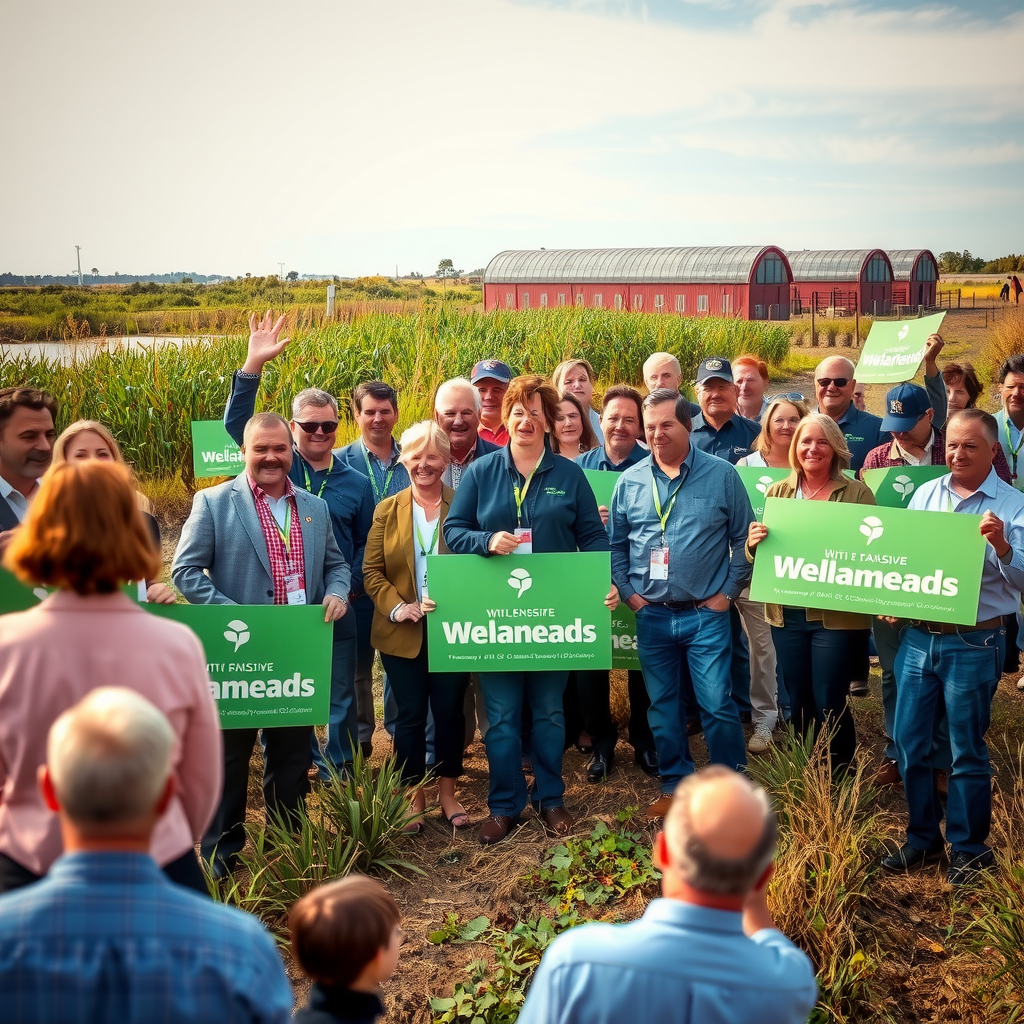
Corporate partnerships extended beyond financial contributions. Local businesses donated goods and services for fundraising events, provided in-kind marketing support, and encouraged employee participation. Several companies organized team volunteer days at the wetlands, combining philanthropy with team-building activities. These partnerships demonstrated how conservation efforts can align with corporate social responsibility goals while generating positive publicity for participating businesses.
"Our company's involvement in this campaign has been transformative. Our employees are more engaged, our customers appreciate our environmental commitment, and we've built relationships with community organizations we never would have connected with otherwise. The return on investment—both financial and social—has exceeded our expectations."
— Patricia Nguyen
CEO, Regional Technology Company
Looking Forward: Sustaining Momentum and Expanding Impact
With the initial fundraising goal exceeded by such a significant margin, campaign organizers are now planning how to deploy the additional $300,000 raised. The surplus will fund expanded habitat restoration, establish an endowment for ongoing wetland management, support educational programming, and create a model that other communities can replicate for their own conservation efforts.
Campaign leaders are documenting their strategies, successes, and lessons learned to share with other environmental organizations. They're developing a toolkit that includes social media templates, community organizing guides, coalition-building frameworks, and donor engagement strategies. This knowledge-sharing approach reflects the campaign's underlying philosophy: conservation success requires collaboration, not competition.
The campaign has also catalyzed broader conversations about land use, development, and environmental protection in the region. Local government officials have expressed interest in updating zoning regulations to better protect remaining wetlands. Developers are exploring conservation-friendly approaches to new projects. Schools are expanding environmental education programs. The ripple effects of this three-week campaign promise to extend far beyond the 150 acres directly protected.
"This campaign proved that people care deeply about protecting nature—they just need to be asked in the right way, at the right time, with the right message. We've shown that rapid fundraising success is possible when you combine authentic storytelling, strategic social media, genuine community engagement, and transparent communication. This is a model that can work anywhere."
— Dr. Michael Foster
Conservation Biologist and Campaign Advisor
Lessons for the Philanthropic Sector
The wetlands campaign offers valuable lessons for the broader philanthropic and social services sector. First, it demonstrates the power of specificity—donors respond to concrete goals with measurable outcomes. Second, it shows that emotional connection and rational argument aren't mutually exclusive; the most effective messaging combines both. Third, it proves that social media, when used strategically and authentically, can dramatically amplify fundraising efforts.
Perhaps most importantly, the campaign illustrates how coalition-building across diverse sectors can expand donor bases and create unexpected partnerships. By framing wetland conservation as relevant to business interests, public health, cultural preservation, recreation, and climate action—not just environmental protection—the campaign reached audiences that traditional conservation messaging might have missed.
The success also highlights the importance of transparency and regular communication. Daily updates, live streams, and detailed financial reporting built trust with donors and created a sense of shared ownership in the campaign's success. Donors weren't just writing checks; they were participating in a movement, witnessing progress in real-time, and celebrating milestones together.

A Model for Future Conservation Efforts
As climate change accelerates and habitat loss continues, the need for rapid, effective conservation fundraising will only grow more urgent. The wetlands campaign provides a replicable model for communities facing similar challenges. Its success wasn't due to unlimited resources or celebrity endorsements—it resulted from strategic planning, authentic community engagement, creative coalition-building, and effective use of digital tools available to any organization.
The campaign's organizers emphasize that their approach can be adapted to different contexts and causes. Whether protecting forests, restoring rivers, preserving farmland, or conserving marine habitats, the core principles remain the same: tell compelling stories, build diverse coalitions, leverage social media strategically, maintain transparency, and give people concrete ways to make a difference.
The viral fundraising campaign to protect endangered wetlands represents more than just a successful fundraiser—it's a case study in how communities can mobilize rapidly around shared values, how digital tools can amplify grassroots organizing, and how diverse stakeholders can unite around common goals. As the protected wetlands continue to provide habitat for endangered species, filter water, sequester carbon, and offer spaces for human connection with nature, they'll stand as testament to what's possible when communities come together with purpose, passion, and a shared commitment to protecting the natural world.
About This Campaign
The Wetlands Forever Initiative continues to accept donations to support ongoing habitat restoration and conservation education programs. For more information about how to get involved in local conservation efforts or to learn about replicating this fundraising model in your community, visit local environmental organizations and social service groups dedicated to community impact and environmental philanthropy.