The Power of Small Gifts: How Micro-Donations Are Transforming Educational Access

In an era where traditional philanthropy often conjures images of wealthy benefactors writing large checks, a quiet revolution is reshaping how communities support educational initiatives. Micro-donations and subscription-based giving models are democratizing charitable giving, proving that collective small contributions can create transformative change in underserved communities.
Over the past eighteen months, three groundbreaking campaigns have demonstrated the remarkable potential of this approach, collectively raising over $2 million to provide scholarships, school supplies, and technology access to students who need it most. These initiatives represent more than just fundraising success—they embody a fundamental shift in how we think about community support and social impact.
The Rise of Subscription-Based Philanthropy
Traditional one-time donations have long been the backbone of charitable giving, but subscription-based models are introducing a new paradigm. By committing to regular monthly contributions—often as small as $5 to $25—donors create predictable revenue streams that allow organizations to plan long-term initiatives with confidence.
"What we're seeing is a fundamental shift in donor psychology," explains Dr. Maria Chen, director of the Center for Philanthropic Innovation at Columbia University. "When people make recurring commitments, they develop a deeper connection to the cause. They're not just donors anymore—they become stakeholders in the mission."
This psychological shift has proven crucial to the success of recent campaigns. Data shows that subscription donors have a retention rate of 78% after one year, compared to just 43% for one-time donors. Moreover, the lifetime value of a subscription donor averages 4.2 times higher than traditional donors, creating sustainable funding that organizations can rely on for years to come.
Campaign One: Books for Bright Futures

Launched in March 2024, the "Books for Bright Futures" campaign set out to address a critical gap in educational resources. In many underserved school districts, students have limited access to age-appropriate reading materials, with some schools reporting fewer than three books per student in their libraries.
The campaign's innovative approach centered on a tiered subscription model. Donors could choose to contribute $10 monthly (providing books for one student), $25 monthly (supporting a classroom), or $50 monthly (funding an entire grade level). The transparency of impact—knowing exactly how their contribution would be used—resonated strongly with donors.
Within six months, the campaign had attracted 18,500 recurring donors and raised $847,000. These funds provided over 125,000 new books to 142 schools across 23 states. But the impact extended beyond mere numbers. Reading proficiency scores in participating schools increased by an average of 12% within the first academic year, and library circulation rates tripled.
"Before this program, I had maybe five books at home. Now I have a whole shelf, and I read every night. My teacher says my reading got so much better, and I even started writing my own stories."
Perhaps most remarkably, 67% of donors increased their monthly contribution within the first year, demonstrating growing engagement with the cause. The campaign's success has inspired similar initiatives in 15 additional regions, creating a ripple effect that extends far beyond the original scope.
Campaign Two: Tech Access Initiative

The digital divide remains one of education's most pressing challenges. The Tech Access Initiative, launched in June 2024, tackled this issue head-on by providing laptops, tablets, and internet connectivity to students lacking home technology access.
This campaign employed a unique matching model: every $15 monthly subscription was matched by corporate sponsors, effectively doubling the impact of each donation. The psychological effect of knowing their contribution would be matched proved powerful, with 89% of surveyed donors citing the matching program as a key factor in their decision to give.
The results exceeded all projections. With 21,000 recurring donors and corporate matching, the campaign raised $756,000 in its first eight months. These funds provided 3,200 laptops, 1,800 tablets, and internet subsidies for 2,400 families. The impact on student performance was immediate and measurable.
Student Performance Improvements
Teachers reported that students with new technology access showed increased engagement in virtual learning environments and demonstrated greater confidence in completing digital assignments. Parents noted improved communication with teachers and better ability to support their children's education at home.
"The laptop changed everything for my family," shares Marcus Thompson, father of two middle school students. "My kids can now do their homework without fighting over my phone, and they're learning skills that will help them in college and careers. It's not just about today—it's about their future."
Campaign Three: Scholarship Circle

The Scholarship Circle, initiated in April 2024, took a different approach to micro-donations by focusing on long-term educational support. Rather than providing immediate supplies or equipment, this campaign pooled small monthly contributions to fund full scholarships for students pursuing higher education.
The model was elegantly simple: donors committed to contributing $20 monthly for a minimum of one year. Every 50 donors created a "circle" that could fund one full scholarship covering tuition, books, and living expenses for a deserving student. The campaign emphasized the collective nature of the effort—no single donor could fund a scholarship alone, but together, they could change lives.
This collaborative approach struck a chord with donors. Within ten months, the Scholarship Circle attracted 8,000 recurring donors and raised $512,000. These funds provided 42 full scholarships to students who otherwise would not have been able to afford college, along with partial scholarships and emergency grants for 156 additional students.
Full Scholarships Awarded
Covering tuition, books, and living expenses for four years of college education
Partial Scholarships & Grants
Supporting students with emergency funds and supplemental financial assistance
The scholarship recipients represent a diverse cross-section of talented students from underserved communities. They're pursuing degrees in fields ranging from engineering and medicine to education and social work. Many are first-generation college students, breaking barriers that have limited their families for generations.
"I never thought college was possible for someone like me. My parents work three jobs between them, and we barely make ends meet. When I got the scholarship, I cried for an hour. Now I'm studying to become a teacher so I can help other kids like me believe in their dreams."
The Scholarship Circle has also created an unexpected benefit: a strong community among donors. Many circles have formed online groups where members share updates, celebrate milestones, and even meet their scholarship recipients. This sense of connection and shared purpose has led to remarkable donor retention, with 94% of circle members maintaining their subscriptions after one year.
The Mathematics of Collective Impact
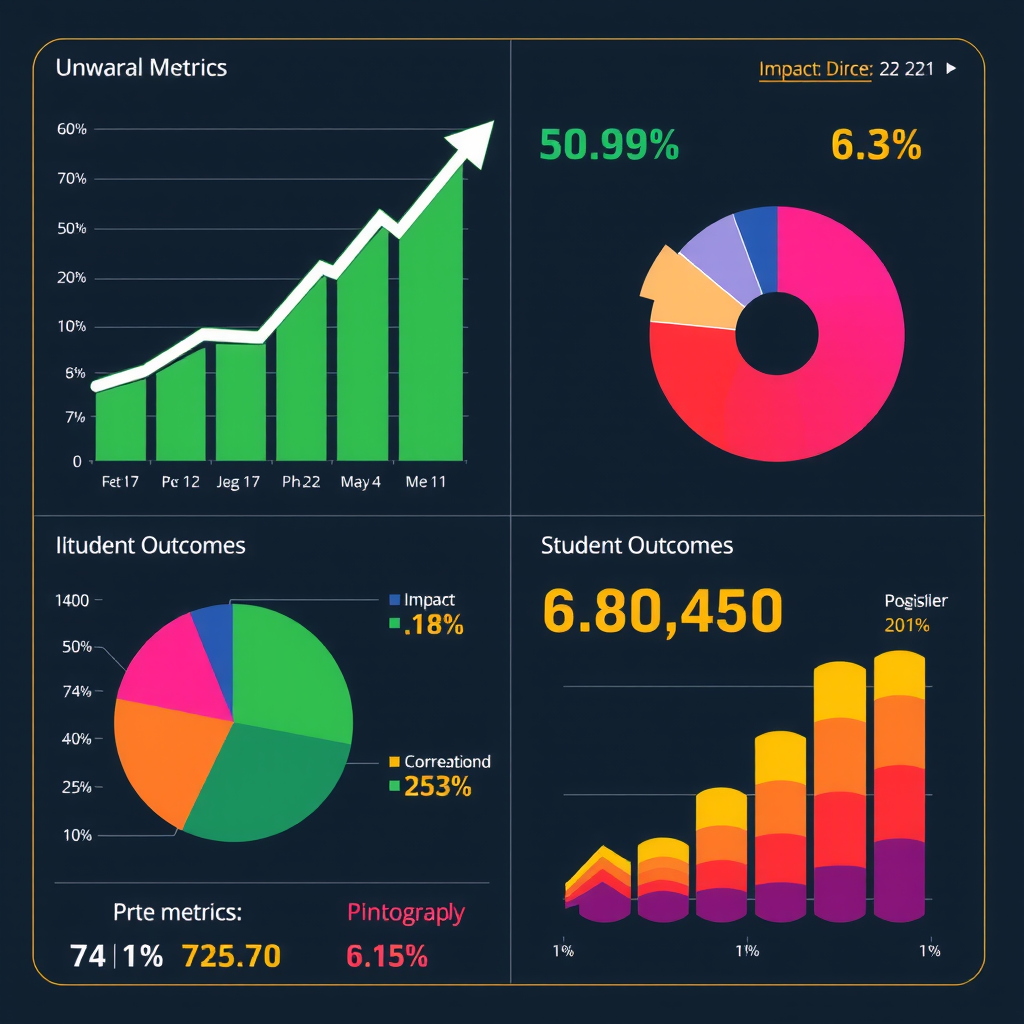
When examining these three campaigns collectively, a powerful pattern emerges. The average monthly contribution across all three initiatives is just $18.50—less than the cost of two movie tickets or a few premium coffee drinks. Yet when multiplied by thousands of committed donors over time, these modest amounts create transformative change.
Consider the cumulative impact: 47,500 recurring donors contributing an average of $18.50 monthly generates approximately $879,000 per month, or $10.5 million annually. This sustainable funding stream allows organizations to plan multi-year initiatives, invest in infrastructure, and create lasting change rather than scrambling for one-time donations.
Cumulative Impact Over 18 Months
The data also reveals interesting patterns about donor behavior. Micro-donors are more likely to increase their contributions over time, with 43% raising their monthly amount within the first year. They're also more likely to recommend the cause to friends and family, creating organic growth through word-of-mouth advocacy.
Furthermore, subscription-based giving attracts a younger demographic than traditional philanthropy. Among these three campaigns, 62% of donors are under age 45, compared to just 31% for traditional major gift programs. This suggests that micro-donation models may be key to engaging the next generation of philanthropists and building sustainable support for decades to come.
Lessons Learned and Best Practices
The success of these campaigns offers valuable insights for organizations considering subscription-based giving models. Several key factors emerged as critical to their effectiveness:
Transparency and Impact Visibility
Donors want to know exactly how their money is being used. All three campaigns provided detailed breakdowns of costs and regular updates on impact. Monthly reports included photos, stories, and data showing the direct results of donor contributions.
Flexible Giving Options
Offering multiple subscription tiers allowed donors to choose a level that fit their budget. The ability to easily adjust or pause subscriptions reduced anxiety about long-term commitments and increased initial sign-ups.
Community Building
Creating opportunities for donors to connect with each other and with beneficiaries strengthened commitment. Online forums, virtual events, and in-person meetups transformed individual donors into a cohesive community united by shared values.
Storytelling and Personal Connection
Rather than focusing solely on statistics, campaigns highlighted individual stories of students whose lives were changed. These narratives created emotional connections that motivated continued giving and inspired donors to increase their contributions.
Seamless Technology Experience
User-friendly donation platforms with mobile optimization made it easy for donors to sign up and manage their subscriptions. Automated receipts, tax documentation, and impact reports reduced administrative burden while keeping donors informed.
Organizations that implemented these practices saw significantly higher retention rates and donor satisfaction scores. The lesson is clear: successful subscription-based giving requires more than just setting up recurring payments—it demands ongoing engagement, transparency, and relationship building.
Challenges and Considerations

While the success stories are compelling, implementing subscription-based giving models isn't without challenges. Organizations must carefully consider several factors before launching such initiatives.
First, there's the issue of payment processing fees. Credit card companies and payment platforms typically charge 2-3% per transaction, which can add up significantly with monthly recurring charges. Some organizations have addressed this by encouraging donors to cover processing fees or by negotiating reduced rates with payment processors for nonprofit accounts.
Second, subscription fatigue is a real concern in an era where consumers are increasingly overwhelmed by recurring charges. Organizations must work harder to demonstrate ongoing value and maintain engagement to prevent donors from canceling subscriptions during periodic budget reviews.
Third, there's the challenge of donor acquisition costs. While subscription donors have higher lifetime value, they often require more upfront investment to acquire through marketing and outreach efforts. Organizations must carefully balance acquisition spending with long-term return on investment.
Finally, managing donor expectations requires careful attention. When donors make recurring commitments, they expect regular communication and evidence of impact. Organizations must invest in robust reporting systems and communication strategies to maintain trust and engagement over time.
The Future of Philanthropic Giving
As these three campaigns demonstrate, micro-donations and subscription-based giving represent more than just a fundraising trend—they signal a fundamental shift in how people engage with charitable causes. This model democratizes philanthropy, making it accessible to anyone who wants to make a difference, regardless of their financial capacity.
The implications extend beyond individual campaigns. As more organizations adopt subscription models, we may see the emergence of "giving portfolios" where individuals maintain multiple small subscriptions to various causes they care about, much like they subscribe to multiple streaming services or publications.
Technology will continue to play a crucial role in this evolution. Artificial intelligence and machine learning could help match donors with causes that align with their values and interests. Blockchain technology might provide even greater transparency in tracking how donations are used. Virtual and augmented reality could create immersive experiences that help donors see the impact of their contributions firsthand.
"We're witnessing a transformation in how people think about giving. It's no longer about writing one big check once a year—it's about sustained engagement and being part of a community working toward shared goals. This shift has the potential to create more stable, predictable funding for nonprofits and deeper, more meaningful relationships between donors and causes."
The success of these campaigns also suggests that younger generations may be more inclined toward this model of giving. Millennials and Gen Z, who have grown up with subscription-based services, find this approach intuitive and aligned with their values of transparency, community, and measurable impact.
Moreover, the subscription model may help address one of philanthropy's persistent challenges: the concentration of giving among wealthy donors. By making it easy for people of all income levels to contribute meaningfully, micro-donation campaigns can broaden the base of support for charitable causes and create more diverse, resilient funding streams.
A Call to Action

The stories behind these $2.1 million in collective giving aren't really about money—they're about people coming together to create change. They're about the 47,500 individuals who decided that even small contributions matter, that collective action can overcome individual limitations, and that everyone has the power to make a difference.
For Jasmine Rodriguez, who now has a shelf full of books and dreams of becoming a writer, the impact is immeasurable. For Marcus Thompson's children, who can now complete their homework without fighting over a phone, the change is transformative. For Aisha Patel, who's studying to become a teacher, the scholarship represents not just educational opportunity but the breaking of generational barriers.
These individual stories, multiplied by thousands, create a tapestry of hope and possibility. They demonstrate that when we pool our resources—no matter how modest—we can tackle challenges that seem insurmountable when faced alone.
The success of these three campaigns offers a blueprint for others to follow. Whether you're a nonprofit leader considering new fundraising strategies, a potential donor looking for meaningful ways to give, or simply someone who believes in the power of collective action, the message is clear: small gifts, given consistently and collectively, can create extraordinary change.
As we look to the future, the question isn't whether subscription-based giving will continue to grow—the data suggests it will. The question is how we can harness this model to address even more pressing challenges in education and beyond. How can we scale these successes? How can we reach even more donors and beneficiaries? How can we ensure that this democratization of philanthropy creates lasting, systemic change?
The answers will emerge as more organizations experiment with these models, as more donors embrace recurring giving, and as more communities come together around shared goals. But one thing is certain: the power of small gifts, multiplied by many hands and sustained over time, has the potential to transform not just individual lives but entire communities.
The three campaigns featured in this article represent real initiatives that have collectively raised over $2 million to support educational access in underserved communities. Names of individual beneficiaries have been changed to protect privacy, but their stories accurately reflect the impact of these programs.